


From trinity houses to riverfront condos
ADT Home Security in Philadelphia, PA
Most Philadelphians live in a house that shares at least one wall. Only 8.5% of homes stand alone, and half the housing stock was already standing by 1949. That shapes the job: rear doors on narrow alleys, basement windows at sidewalk level and stoops where deliveries wait for hours. FEMA also gives the county a Very High rating for heat waves, cold waves, winter weather and inland flooding, so a good plan guards the boiler, the pipes and the basement too.
Quick answer
What is the best way to set up ADT home security in Philadelphia?
Plan from the alley side forward. On a typical block of rows and twins, the back door and the basement windows are the openings neighbors cannot see from the street. Put door, window and glass break sensors there first, an ADT video doorbell on the stoop, and flood and water sensors near the floor drain and water heater. Finish with smoke and carbon monoxide detection, 24/7 professional monitoring from ADT and cellular backup.
Last reviewed:
Philadelphia at a glance
| Data point | Value | Source |
|---|---|---|
| Population | 1,579,706U.S. Census Bureau, ACS 5-year 2024 | |
| Owner-occupied homes | 51.8%U.S. Census Bureau, ACS 5-year 2024 | |
| Single-family detached homes | 8.5%U.S. Census Bureau, ACS 5-year 2024 | |
| Homes in buildings with 10+ units | 17.6%U.S. Census Bureau, ACS 5-year 2024 | |
| Median year homes were built | 1949U.S. Census Bureau, ACS 5-year 2024 | |
| Median home value | $243,100U.S. Census Bureau, ACS 5-year 2024 | |
| Housing vacancy rate | 9.2%U.S. Census Bureau, ACS 5-year 2024 | |
| Overall natural hazard risk (county) | Very HighFEMA National Risk Index, Philadelphia County | |
| Highest-rated hazards (county) | Inland flooding (Very High); Winter weather (Very High); Heat wave (Very High); Cold wave (Very High)FEMA National Risk Index, Philadelphia County |
Know the threats
Reading FEMA's Very High rating block by block
Philadelphia County sits in the Very High tier of FEMA's National Risk Index, and four separate hazards earn that label on their own: cold waves, heat waves, winter weather and inland flooding. A burglar is not on that list. Still, each of those four can quietly ruin an old brick house while its owner is at work across town.
In Philadelphia, flooding is usually about water finding the lowest point of an older home. Heavy downpours can overload the combined sewers that serve much of the city and push water back up through basement floor drains. The Schuylkill can spill onto Main Street in Manayunk after a major storm, and Eastwick, near Cobbs Creek and Darby Creek, has a long history of high water. Flood and water sensors by the floor drain, sump pit and water heater trigger a notification in the ADT+ app the moment they detect water, often before anyone upstairs would notice.
Long freezes go after pipes in back kitchen additions and in walls that take the wind. Aging boilers and gas water heaters running hard all season also raise the stakes for carbon monoxide. Monitored smoke and carbon monoxide detection, plus a smart thermostat you can check from the app, helps you catch a failing heater before the pipes freeze.
When a summer heat wave has every window unit on the block running at once, outages follow, and home internet usually drops with the power. Cellular backup keeps the alarm talking to the monitoring center when Wi-Fi goes dark.
Then there are the everyday block worries: packages lifted off stoops, car break-ins on streets where parking is tight, and entries through the rear, where a back door or basement window faces an alley nobody can see from the sidewalk. The city's 9.2% housing vacancy rate also means some rows have an empty house next door, which means fewer eyes on the block. An ADT video doorbell and an outdoor camera handle the front and the alley, while door, window, motion and glass break sensors guard the rear and the lower level.
Local housing
Trinities, twins, towers and new builds
With 1,579,706 residents, Philadelphia packs its housing tight. Detached houses make up just 8.5% of homes, while 17.6% sit in buildings with ten or more units, from Center City high-rises to converted warehouses in Callowhill. Most of the rest are rows and twins, many put up for factory and shipyard workers generations ago. Owners hold 51.8% of homes, which leaves a large share of renters who want equipment that installs cleanly and moves with them.
The median home value is $243,100, and for many owners that equity lives in plaster walls, brick party walls and a basement drain that predates modern stormwater design. Here is how a setup shifts across a few parts of the city.
Manayunk and Roxborough
Hillside rows step up from the Schuylkill, so the street side and the back of a house can sit a full story apart. Put sensors on every lower-level door and window, since the basement often opens onto a rear yard at grade. Near the river and the canal, flood sensors belong in the basement first, then by the water heater.
Chestnut Hill and Mount Airy
Here you find stone twins and some of the city's rare detached homes, on larger lots with mature trees, side yards and detached garages. Bigger footprints call for motion sensors in main hallways, outdoor cameras covering the driveway and side paths, and garage door control so a door left open after dark gets noticed. Tall stone houses also make smoke and carbon monoxide coverage on every level worth doing.
Fishtown, Kensington and Northern Liberties
Tall new townhomes and condo buildings sit right beside century-old rows. New builds often have roof decks and ground-floor garages, so cover the deck door and the interior garage entry, not just the front door. In older rows on the same block, focus on the back door and basement windows facing the alley.
Northeast Philadelphia: Mayfair, Oxford Circle and Rhawnhurst
Many homes here are rows and twins with a small front lawn, a porch and a garage tucked under the house off a rear driveway shared by the whole block. That rear driveway is the blind spot. Point an outdoor camera at it, add a sensor on the garage entry into the basement, and pair the front porch with an ADT video doorbell for deliveries.
Questions about adt home security in philadelphia? A specialist can help.
Call 833.842.0818Where to start
The openings nobody sees from the sidewalk
A deep, narrow Philadelphia house hides most of its weak points behind it: the alley door, the basement windows, the old cellar hatch. This list starts with those hidden openings and works toward the extras. On the call we adjust it to your floor plan, your block and whether you own or rent.
- Door sensors on the back or alley door, any basement entry and the front door, since rear doors are a common way in on attached blocks.
- Window sensors on basement and first-floor rear windows, plus glass break sensors where an old window has many small panes.
- One outdoor camera facing the alley, rear yard or shared driveway.
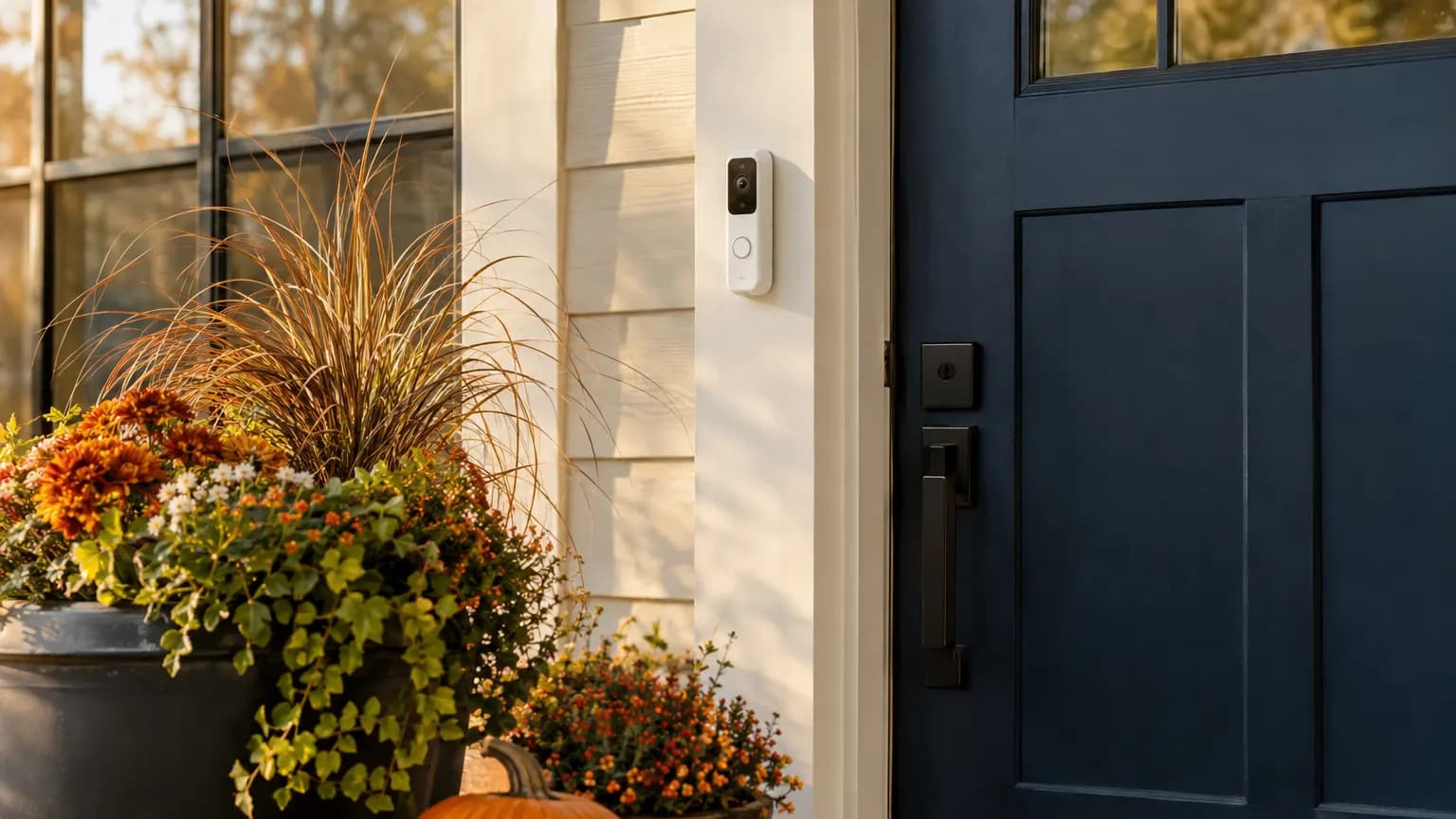
- An ADT video doorbell at the stoop or porch to watch deliveries and talk to visitors from the ADT+ app.
- A motion sensor in the first-floor hallway to catch movement between the front and back of the house, plus an indoor camera on the main stairs.
- Flood and water sensors at the floor drain, sump pit and water heater, where water shows up first in an older basement.
- Monitored smoke and carbon monoxide detection on each level, especially near the boiler or furnace.
- A smart lock on the main entry so you can let in a contractor or dog walker without leaving a key under the mat.
- Cellular backup so the system keeps reaching the monitoring center during a storm or summer outage.
How it works
Plaster, brick and party walls on install day
Professional installation matters in a city full of plaster walls, deep window casings and masonry party walls. A trained installer chooses wireless sensors where drilling would damage old trim, places cameras where brick and narrow lots will not block the view, and tests every device with the monitoring center before leaving. For renters in a converted twin or an older apartment building, that usually means a tidy install that comes down without leaving much behind.
Picture the alley door opening while the system is armed and you are on a train out of 30th Street Station. ADT's 24/7 professional monitoring center receives the signal, an agent works to verify the alarm, and emergency services are contacted following local protocol. A smoke, carbon monoxide or flood alert gets the same attention.
From that same train seat, the ADT+ app lets you arm or disarm, pull up the alley camera, check which sensor tripped, unlock a smart lock for a neighbor and nudge the smart thermostat. If a storm takes out internet on your block, cellular backup keeps the signal path open.
Center City condo boards and many landlords set their own rules on drilling and exterior cameras, and city permit or registration requirements can apply to alarm systems. MFPG Security is an independent ADT Authorized Dealer, so bring those questions to your quote call and we will plan around them before anything goes on the wall.
Questions about adt home security in philadelphia? A specialist can help.
Call 833.842.0818While you are out
Checking on your house from the El, the office or out of town
Plenty of Philadelphians spend long days away from home: riding the Market-Frankford Line or Regional Rail, working long shifts at the city's big hospitals, or traveling over the holidays. With every one of the county's Very High hazards tied to weather, the system should report on the house itself, not only the doors.
- Flood and water sensors under sinks, by the washer and in the basement, so a sewer backup during an afternoon downpour shows up in the ADT+ app while you are still at work.
- Monitored smoke and carbon monoxide detection, which keeps watching when old boilers and space heaters run through a long cold snap and nobody is home.
- A smart thermostat you can check from the app during a heat wave if an older relative or a pet is home alone.
- The same thermostat view during a cold wave, so you can spot a heating problem before pipes in a rear addition freeze.
- A smart lock and indoor camera so a neighbor can check on things while you are away, and you can see when they come and go.
- Cellular backup so alerts still reach the monitoring center when a storm knocks out power and home internet.
Talk to an ADT specialist right now.
Questions
ADT Home Security in Philadelphia: common questions
I live in a trinity with one room per floor. How many sensors do I actually need?
Fewer than you might think. A trinity usually has one main door, a few windows per floor and a steep winder stair. A door sensor on the entry, window sensors on the lowest level and a motion sensor at the foot of the stairs cover most of it. Add smoke and carbon monoxide detection on more than one floor, since a fire on the bottom level can block the only stair. Call for a quote and we will size it to your house.
I own a converted duplex, live upstairs and rent out the first floor. Can ADT cover both?
Converted rows and twins with separate units are common in Philadelphia, and there are a few ways to set them up. Shared spaces like the basement and the rear entry often benefit from flood sensors and a camera that covers the alley. Whether each unit gets its own system depends on the layout and how you manage the tenants, so we talk through the options on the call.
My mother lives alone in a Northeast row. Can I keep an eye on things from my phone?
Yes. With the ADT+ app you can check that the system is armed, see who comes to the door through an ADT video doorbell, and look at the smart thermostat during a heat wave or cold snap. FEMA rates the county Very High for both, which matters for an older person at home. Monitored smoke and carbon monoxide detection adds another layer of protection.
Can my system warn me if the basement floods during a big downpour or nor'easter?
Yes. Flood and water sensors placed at the floor drain, sump pit and water heater push a notification to your phone through the ADT+ app once they detect moisture. That matters in a county FEMA rates Very High for inland flooding, where sewer backups can fill an old basement fast. Cellular backup helps alerts go through even if the storm knocks out your internet.
My basement has an old coal chute door or an exterior hatch. Should that be covered?
Yes. Many older Philadelphia rows still have a sidewalk or rear-yard hatch into the basement, and those openings are easy to forget because nobody uses them. A door sensor on the hatch, plus a motion sensor in the basement, closes that gap. If the hatch also lets in water during heavy rain, a flood sensor nearby is worth adding.
My Society Hill or Queen Village house has original wood windows. Can sensors go on them without damage?
Usually, yes. Small wireless door and window sensors can mount on old sashes and frames without cutting into historic trim, and glass break sensors can cover a room of divided-light windows with one device. If your house is on the local historic register, check with the Philadelphia Historical Commission before mounting cameras or other equipment on the facade. We can plan interior and rear-facing options on your quote call.
Does a stone house in Chestnut Hill need different equipment than a brick row?
The devices are the same, but the plan changes. A larger detached or twin stone house has more doors, more windows and often a detached garage, so it usually needs more motion sensors, outdoor cameras on the driveway and side paths, and garage door control. Thick stone walls can affect where wireless devices work best, which is one reason professional installation helps.
I park on the street in South Philly. Can a camera help with car break-ins?
It can help you see what happened. An ADT video doorbell or an outdoor camera aimed at the front of the house may capture the curb where you park, depending on the angle and distance. Clips are saved to the ADT+ app so you can review them later. We can talk through camera placement on your block during the quote call.
MFPG Security is an independent ADT Authorized Dealer. ADT, ADT+ and related marks are trademarks of ADT LLC. Equipment, features and offers vary by package and location; call for details. Page reviewed October 15, 2026.
ADT services for homes in Philadelphia
- Home securityHome SecurityBuild an ADT home security system from door, window, motion and glass break sensors plus a touchscreen panel, installed and monitored 24/7. Call 833.842.0818.
- Security camerasSecurity CamerasAdd ADT security cameras to see your home from your phone, get alerts for people and vehicles, and pair video with 24/7 ADT monitoring. Call 833.842.0818.
- Smart homeSmart HomeADT smart home devices put locks, lights, thermostat, garage door and plugs in one app, alongside your 24/7 monitored alarm. Call 833.842.0818.
- Professional monitoringMonitoringADT 24/7 professional monitoring watches your alarm day and night and contacts you or emergency services when a sensor triggers. Call MFPG at 833.842.0818.
- Life safetyLife SafetyADT life safety detectors cover smoke, fire, carbon monoxide and water leaks, with 24/7 ADT monitoring. Installed by MFPG in Monroe, LA. Call 833.842.0818.
- Professional installationInstallationMFPG Security technicians install your ADT system, test every device and show you how to use it. ADT monitors it 24/7. Call 833.842.0818 to schedule.
- Current offerDealsSee the current MFPG Security ADT deals: free security equipment ($850 value) with a $99 installation charge and 24/7 monitoring. Call 833.842.0818 for details.