


From three-deckers to Back Bay brownstones
ADT Home Security in Boston, MA
Protecting a Boston home usually means securing a back porch door on a three-decker, a shared vestibule where packages pile up, or an old basement that takes on water in a nor'easter. MFPG Security, an independent ADT Authorized Dealer, plans ADT systems around how Bostonians actually live: mostly renters, mostly in older multi-unit buildings, and often close to the harbor.
Quick answer
What is the best ADT setup for a Boston home?
In Boston, a good first setup puts sensors on every entry, rear porch doors included, with motion sensors on the ground floor, an ADT video doorbell at the stoop or unit door, and flood sensors in the basement. Smoke and carbon monoxide detection and cellular backup for storm outages round it out. Wireless gear suits renters because it goes in without harming plaster. ADT delivers the 24/7 professional monitoring, and MFPG Security, an independent ADT Authorized Dealer, gives a free quote for each address by phone.
Last reviewed:
Boston at a glance
| Data point | Value | Source |
|---|---|---|
| Population | 666,442U.S. Census Bureau, ACS 5-year 2024 | |
| Owner-occupied homes | 35.7%U.S. Census Bureau, ACS 5-year 2024 | |
| Single-family detached homes | 11.9%U.S. Census Bureau, ACS 5-year 2024 | |
| Homes in buildings with 10+ units | 35.4%U.S. Census Bureau, ACS 5-year 2024 | |
| Median year homes were built | 1947U.S. Census Bureau, ACS 5-year 2024 | |
| Median home value | $731,700U.S. Census Bureau, ACS 5-year 2024 | |
| Housing vacancy rate | 8.8%U.S. Census Bureau, ACS 5-year 2024 | |
| Overall natural hazard risk (county) | Relatively ModerateFEMA National Risk Index, Suffolk County | |
| Highest-rated hazards (county) | Lightning (Very High); Hurricane (Relatively High); Inland flooding (Relatively High); Coastal flooding (Relatively High)FEMA National Risk Index, Suffolk County |
What threatens Boston homes
Harbor storms, lightning and porch-level property crime
FEMA's National Risk Index rates Suffolk County's overall natural hazard risk as Relatively Moderate, but a few hazards stand well above that. Lightning is rated Very High. Hurricane, inland flooding and coastal flooding are each rated Relatively High. In Boston terms, that means summer thunderstorms that can knock out power on a block, late-season tropical systems and nor'easters that push the harbor into low streets in East Boston, Charlestown, the Seaport and along Morrissey Boulevard, and heavy rain that backs up through floor drains in old fieldstone and brick basements.
In Boston's dense neighborhoods, the common worries are close to home. Packages left in shared vestibules and on stoops. Bikes on back porches and in basement storage. On three-deckers and row houses, the rear porch door and ground-floor windows facing the alley or yard are the weak spots, because nobody on the street can see them.
Empty units matter too. The city's housing vacancy rate is 8.8%, and with so many Boston leases turning over at once in late summer, the unit below or beside you can sit empty for a stretch. When it does, fewer people are around to notice someone in the back stairwell.
- Lightning and storm outages: cellular backup keeps the alarm signal going when internet service drops, and the ADT+ app shows you system status from wherever you are.
- Coastal and inland flooding: flood and water sensors in basements, near water heaters and under sinks alert you before water spreads.
- Hurricanes and nor'easters: door and window sensors confirm everything is shut tight, and outdoor cameras let you check the yard and street after the storm.
- Package theft: an ADT video doorbell watches the stoop or vestibule and records who picks up what.
- Rear-door and window entries: door and window sensors, glass break sensors and motion sensors cover the porches and alley-facing windows the street cannot see.
Boston housing
Old buildings, shared walls and mostly renters
Boston's housing is old and dense. The median home was built in 1947, and plenty of buildings are far older than that. Only 11.9% of homes are single-family detached houses, while 35.4% are in buildings with ten or more units. Just 35.7% of homes are owner-occupied, so most residents rent. With a median home value of $731,700, owners have a lot at stake, and renters still want to protect what is inside.
That mix shapes every system. Plaster walls and old trim favor wireless sensors. Shared entries mean the video doorbell often belongs at your unit door, not the street door. Basements need water protection. Here is how a setup changes across a few parts of the city.
Dorchester and South Boston three-deckers
The classic three-decker stacks three units with front and rear porches on every floor. Put door sensors on both the front unit door and the back porch door, since rear stairs give anyone access to upper floors. Add a motion sensor covering the hallway between them. Owners who live in one unit and rent the others often add outdoor cameras on the back stairs and basement door, plus flood sensors near the shared water heaters. Near Savin Hill and along the Dorchester shoreline, basement water sensors are a must.
Back Bay, Beacon Hill and the South End
Brownstones and brick row houses here are often split into condos, with tall front windows at street level and garden units below grade. Garden units benefit most from glass break sensors and window sensors on every opening. Upper-floor condo owners usually focus on the unit door, a smart lock for dog walkers and cleaners, and an indoor camera. Check your condo association's rules before mounting anything on a historic facade or shared stoop.
East Boston and Charlestown
These waterfront neighborhoods mix old wooden row houses, triple-deckers and newer condo buildings close to the harbor. Coastal flooding is the headline risk, so flood and water sensors go in every basement and ground-level unit. Outdoor cameras help you check conditions after a storm surge without going outside, and cellular backup matters when coastal storms cut service.
West Roxbury and Roslindale
This is where Boston's single-family homes cluster: Colonials, Capes and bungalows on their own lots with driveways and detached garages. Cover every exterior door, add garage door control, put an outdoor camera on the driveway and a video doorbell at the front, and place motion sensors where a basement or sunroom door could be forced.
Questions about adt home security in boston? A specialist can help.
Call 833.842.0818Where to start
A starting ADT setup for a typical Boston home
Most Boston homes are apartments or condos in older buildings, so this starting point assumes a unit with a front entry, a rear or porch door and access to a basement. Your quote is built around your actual floor plan and lease or association rules.
- Door sensors on every entry, including rear porch and basement doors, because those are the doors the street cannot see.
- Window sensors on ground-floor and porch-accessible windows, plus glass break sensors for garden units and tall street-level windows.
- One or two motion sensors covering main hallways, so an entry through any opening still triggers an alert.
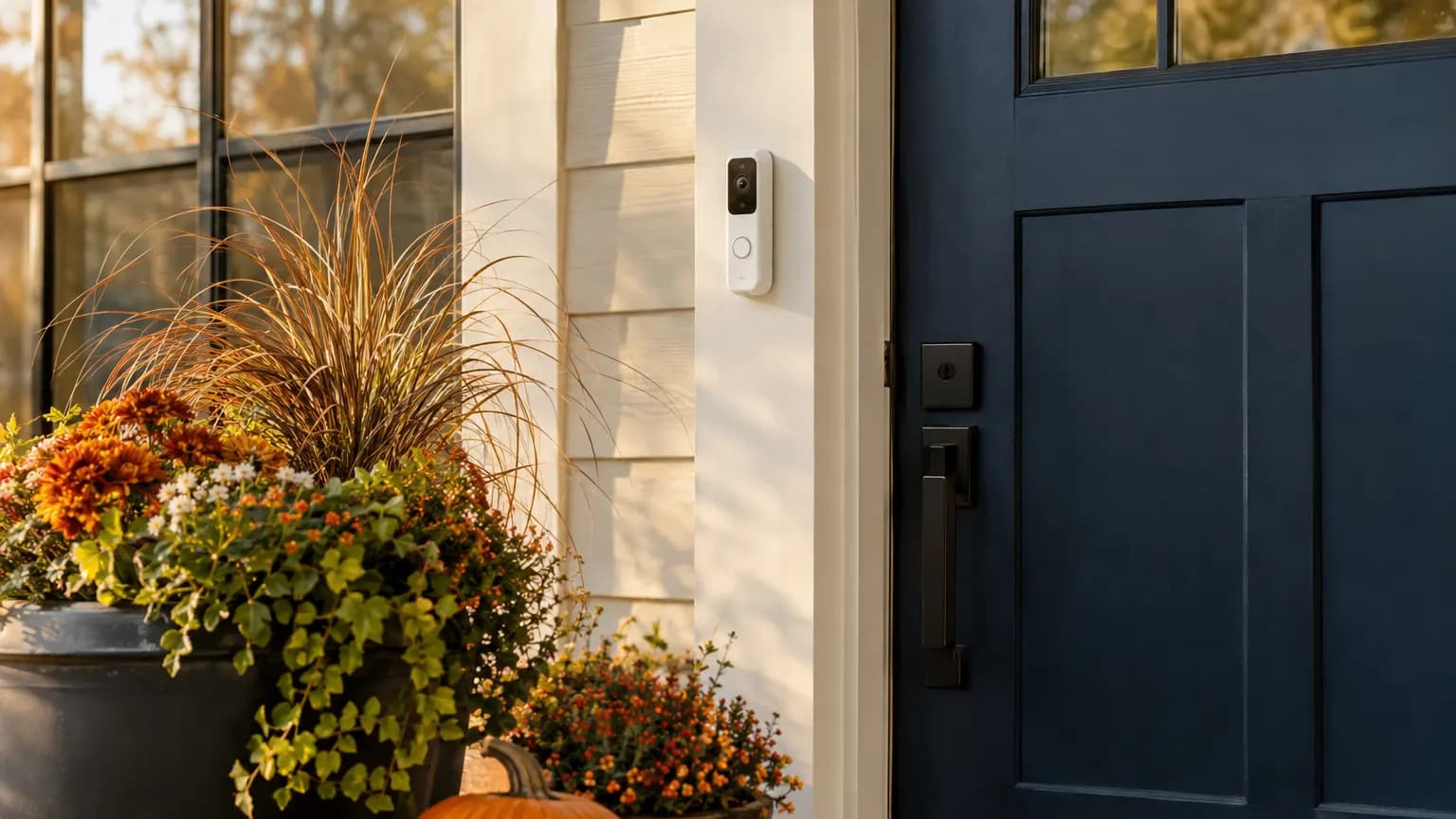
- An ADT video doorbell at the stoop or unit door to deter package theft and let you talk to delivery drivers.
- Indoor and outdoor cameras where permitted, especially on back stairs, yards and driveways.
- Smoke and carbon monoxide detection monitored by ADT, important in buildings with old gas boilers and shared heating systems.
- Flood and water sensors in the basement, near the water heater and under sinks for flood season and frozen pipes.
- A smart lock and smart thermostat for owners who want keyless access and remote heat control in winter.
- Cellular backup so the system keeps communicating when storms knock out internet service.
How it works
Professional installation, 24/7 monitoring and the ADT+ app
Professional installation matters in Boston's older buildings. Installers plan around plaster and lath walls, thick brick, odd window frames and narrow stairwells, and they use wireless sensors where drilling would damage trim or break a lease. In condos, they can keep equipment inside your unit so you stay within association rules.
After installation, your Boston system connects to ADT's 24/7 professional monitoring. If a back porch door opens while you are armed, or a smoke detector sounds in a stacked wood-frame building, an ADT monitoring agent works to verify the alarm and reaches out to emergency services following local protocol. In harbor neighborhoods like Charlestown and East Boston, where a summer lightning storm or a nor'easter can take down internet service on a whole block, cellular backup keeps that signal path open.
The ADT+ app lets you arm and disarm, view cameras, check door locks and see sensor alerts from your phone, whether you are on the Red Line, at work in the Financial District or away for the weekend.
One Boston-specific step: confirm with the city whether your address needs alarm registration before monitoring starts. Three-decker owners who rent out units, and condo owners in managed buildings, may also want to let tenants or the association know the system is there. We cover the city check and your building's expectations during the free quote call.
Questions about adt home security in boston? A specialist can help.
Call 833.842.0818Built for Boston weather
Sensors for nor'easters, frozen pipes and flood season
Boston winters bring deep cold, ice dams and nor'easters, and old buildings with pipes in exterior walls and unheated basements are prone to freezing. Flood and water sensors near pipes, boilers and water heaters can warn you of a leak before it reaches a downstairs neighbor. A smart thermostat lets you keep the heat up from the app if you are stuck away during a storm.
Many Boston homes still run on gas boilers and older heating systems, so monitored carbon monoxide detection is worth having on every floor. Monitored smoke detection adds protection in wood-frame three-deckers and row houses where fire can spread between units. In flood-prone areas near the harbor, pair basement water sensors with outdoor cameras so you can check conditions without stepping into the water.
Talk to an ADT specialist right now.
Questions
ADT Home Security in Boston: common questions
I rent in Boston. Can I still get an ADT system?
Yes. Since most Boston residents rent, this comes up constantly. Wireless door and window sensors, motion sensors, a video doorbell at your unit door and indoor cameras can be installed without damaging plaster or trim. Always check your lease and talk to your landlord about anything mounted outside. If you plan to move, ask on the call how your equipment can come with you.
Will ADT work in a large Boston apartment or condo building?
It can. In big buildings, protection usually starts at your own unit door rather than the main lobby. A door sensor, motion sensor, indoor camera and smart lock cover the most common concerns. A video doorbell may need building approval. Cellular backup helps in buildings where internet wiring is shared or unreliable during storms.
Does my condo association limit what I can install?
Many Boston condo associations, especially in historic Back Bay, Beacon Hill and South End buildings, restrict changes to facades, shared stoops and common hallways. Interior equipment is usually fine. Check your master deed and rules before adding outdoor cameras or a doorbell on a shared entry. We can plan the system to keep everything within your unit if needed.
What happens to my system during a nor'easter or power outage?
Cellular backup keeps your system communicating with ADT's monitoring if internet service goes down. Flood and water sensors alert you to basement water, and the ADT+ app shows sensor status and camera views from wherever you are. Ask on your quote call how your specific panel and devices handle extended outages, since setups vary.
How should I prepare my Boston home before a long trip?
Whether you are heading to the Cape for summer weekends or away for the winter holidays, arm the system through the ADT+ app, confirm every door and window shows closed, and check cameras before you leave. In winter, keep the heat on with a smart thermostat so pipes in exterior walls do not freeze, and make sure water sensors sit near pipes and the boiler. Ask a neighbor to grab packages from the vestibule, since a pile by the door is a clear sign nobody is home.
Do new construction condos in the Seaport or Charlestown need a security system?
Newer buildings often have controlled lobbies and garage access, but your unit is still yours to protect. A door sensor, motion sensor, indoor camera and smart lock cover your space. Many newer waterfront buildings sit close to the harbor, where coastal flooding is a real risk, so water sensors are still worth adding. Ask the developer or association what wiring is already in place.
Does Boston require an alarm permit or registration?
Check with the City of Boston before monitoring begins to see whether your address needs a permit or registration. Requirements and any fees are set by the city and can change, so we do not quote them here. If you own a three-decker or other multi-unit building, also ask how the rules apply to the units you rent out. We go over what to look for on your free quote call.
I am moving within Boston. Can my system move with me?
Boston's late summer moving rush means lots of residents change apartments, from Allston-Brighton to Jamaica Plain to Dorchester. Wireless equipment is usually easier to relocate. Your new place may need a different layout, such as extra door sensors for a rear porch. Call before your move so your monitoring and equipment plan fit the new address.
MFPG Security is an independent ADT Authorized Dealer. ADT, ADT+ and related marks are trademarks of ADT LLC. Equipment, features and offers vary by package and location; call for details. Page reviewed October 15, 2026.
ADT services for homes in Boston
- Home securityHome SecurityBuild an ADT home security system from door, window, motion and glass break sensors plus a touchscreen panel, installed and monitored 24/7. Call 833.842.0818.
- Security camerasSecurity CamerasAdd ADT security cameras to see your home from your phone, get alerts for people and vehicles, and pair video with 24/7 ADT monitoring. Call 833.842.0818.
- Smart homeSmart HomeADT smart home devices put locks, lights, thermostat, garage door and plugs in one app, alongside your 24/7 monitored alarm. Call 833.842.0818.
- Professional monitoringMonitoringADT 24/7 professional monitoring watches your alarm day and night and contacts you or emergency services when a sensor triggers. Call MFPG at 833.842.0818.
- Life safetyLife SafetyADT life safety detectors cover smoke, fire, carbon monoxide and water leaks, with 24/7 ADT monitoring. Installed by MFPG in Monroe, LA. Call 833.842.0818.
- Professional installationInstallationMFPG Security technicians install your ADT system, test every device and show you how to use it. ADT monitors it 24/7. Call 833.842.0818 to schedule.
- Current offerDealsSee the current MFPG Security ADT deals: free security equipment ($850 value) with a $99 installation charge and 24/7 monitoring. Call 833.842.0818 for details.